“Why don’t we just convert this office floor into a lab?”
“Can’t we simply retrofit the building for research?”
“Why build a new facility when we can simply modify an existing office?”
These are some of the most common questions organizations ask when planning scientific research facilities. At first glance, repurposing an existing office space can seem like a practical and cost-effective solution.
But modern scientific research demands environments that offices were never designed to support.
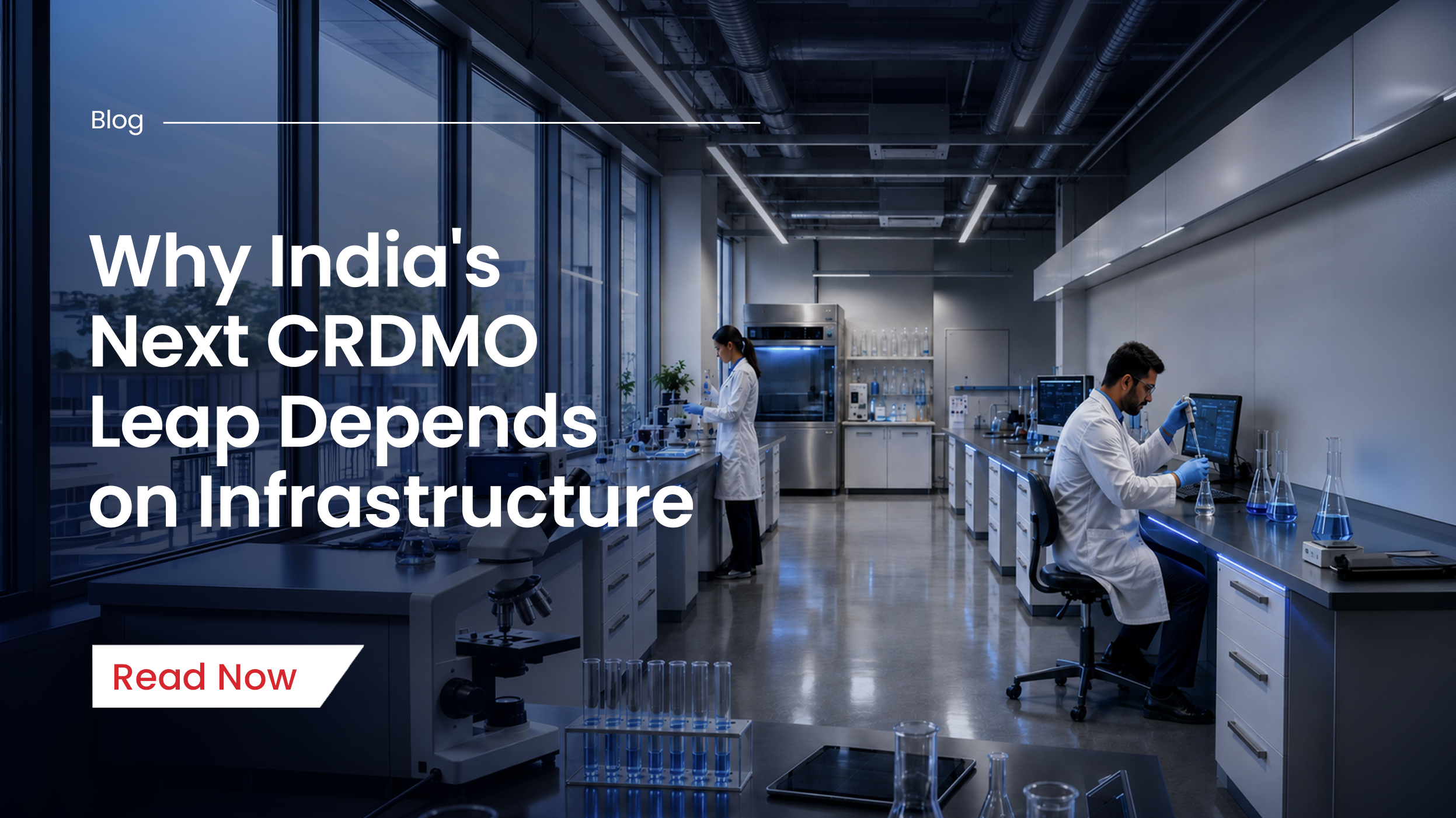
For decades, much of the early growth in scientific research happened in spaces that were never designed for it. Office buildings were retrofitted into laboratories, warehouses were converted into R&D units, and infrastructure was adapted around research rather than built for it.
While this approach helped organizations get started quickly, the demands of modern scientific research are far more complex. Today, the difference between a retrofitted office space and a purpose-built scientific R&D facility can directly influence research efficiency, regulatory compliance, and the ability to scale innovation.
The Limits of Retrofitted Office Spaces
At first glance, converting an office building into a laboratory may appear to be a practical solution. However, office infrastructure is fundamentally designed for human occupancy and administrative work, not for research.
Scientific laboratories require highly specialized systems such as advanced ventilation, controlled environments, robust utility networks, and dedicated waste management systems. In many cases, retrofitted buildings struggle to support these requirements without significant structural modifications.
For instance, laboratory environments often demand higher floor load capacities to support heavy equipment, specialized HVAC systems to maintain air quality and pressure control, and uninterrupted utilities such as purified water, compressed gases, and reliable backup power systems. Integrating these elements into office infrastructure can be technically challenging and operationally inefficient.
As research becomes more sophisticated, these limitations become increasingly evident.
Compliance is Not Optional in Scientific Research
Perhaps the most critical limitation of converting office spaces into laboratories lies in regulatory and compliance requirements.
Scientific R&D environments must meet a wide range of standards governing safety, environmental control, and operational practices. These standards are essential to protect researchers, maintain the integrity of experiments, and ensure that research outcomes are reliable and reproducible.
Facilities involved in pharmaceutical, biotechnology, or advanced materials research often need to comply with regulatory frameworks such as U.S. Food and Drug Administration Good Manufacturing Practices (GMP), World Health Organization laboratory guidelines, and International Organization for Standardization standards such as ISO 14644 for cleanroom environments.
Meeting these requirements requires infrastructure that supports precise environmental control, contamination prevention, validated utilities, and robust safety systems. When laboratories operate in buildings that were not designed with these needs in mind, maintaining compliance becomes significantly more complex.
Airflow management, for example, is a critical requirement in many research environments. Laboratories may require negative or positive pressure zones, specialized filtration systems, and carefully engineered airflow patterns. Achieving this level of control in a conventional office building often involves extensive redesign and ongoing operational challenges.
Similarly, systems for handling chemical, biological, or hazardous waste must comply with strict environmental and safety regulations, something most office buildings are not designed to support.
Enabling Scientific Productivity
Purpose-built scientific infrastructure is not only about compliance—it also directly influences the pace and quality of research.
Researchers rely on environments where experimentation can proceed without interruption. Reliable utilities, well-designed laboratory layouts, and specialized infrastructure reduce operational friction and allow scientists to focus on discovery rather than facility constraints.
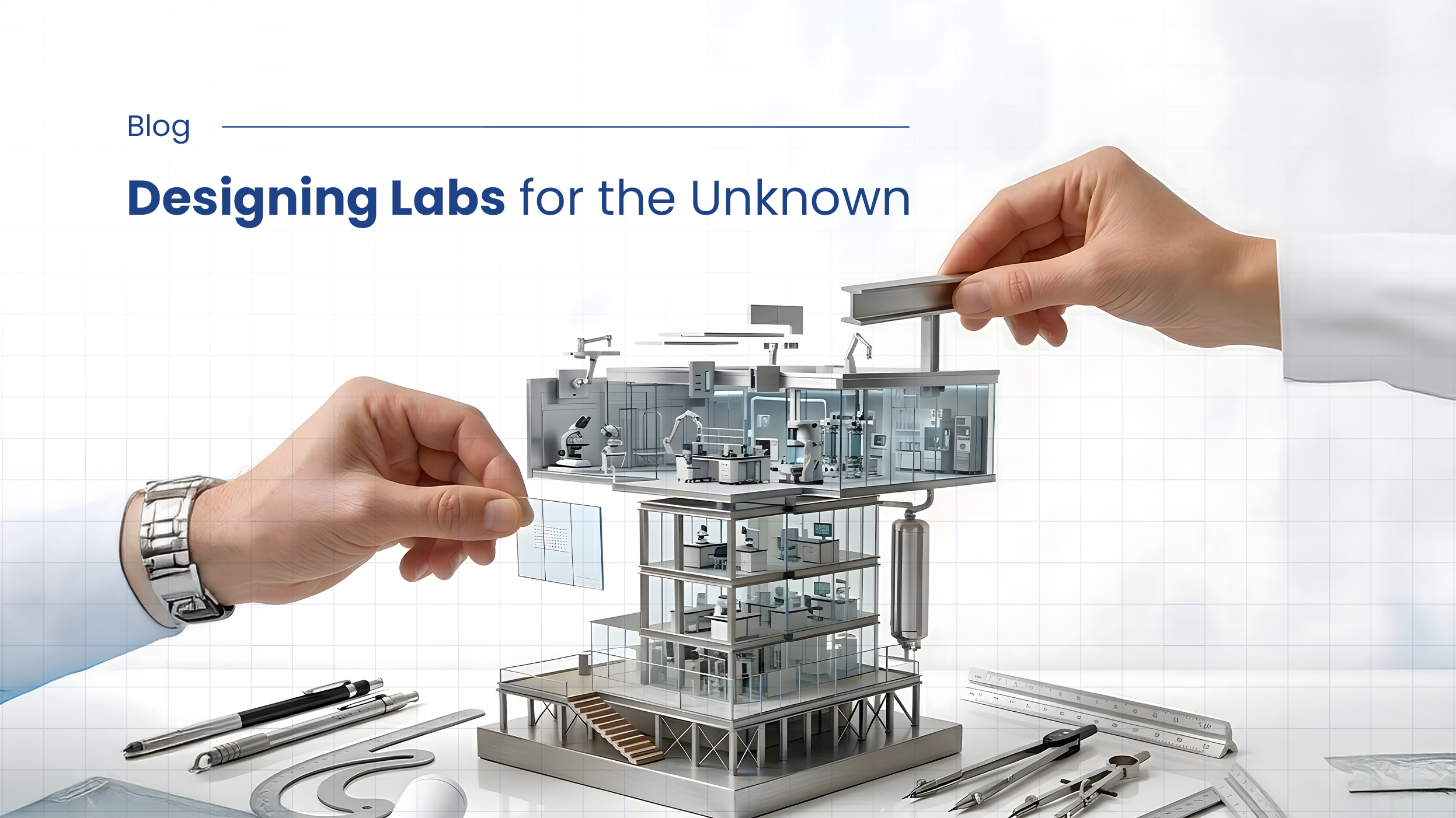
Modern scientific R&D spaces increasingly incorporate modular lab designs, adaptable utility grids, and flexible layouts that allow laboratories to evolve alongside research needs. This flexibility is essential in fast-moving scientific fields where projects can scale rapidly or shift direction based on new discoveries.
In contrast, retrofitted office spaces often lack the adaptability required to support evolving research programs.
Building Ecosystems for Innovation
Beyond individual laboratories, purpose-built infrastructure also supports the development of broader scientific ecosystems.
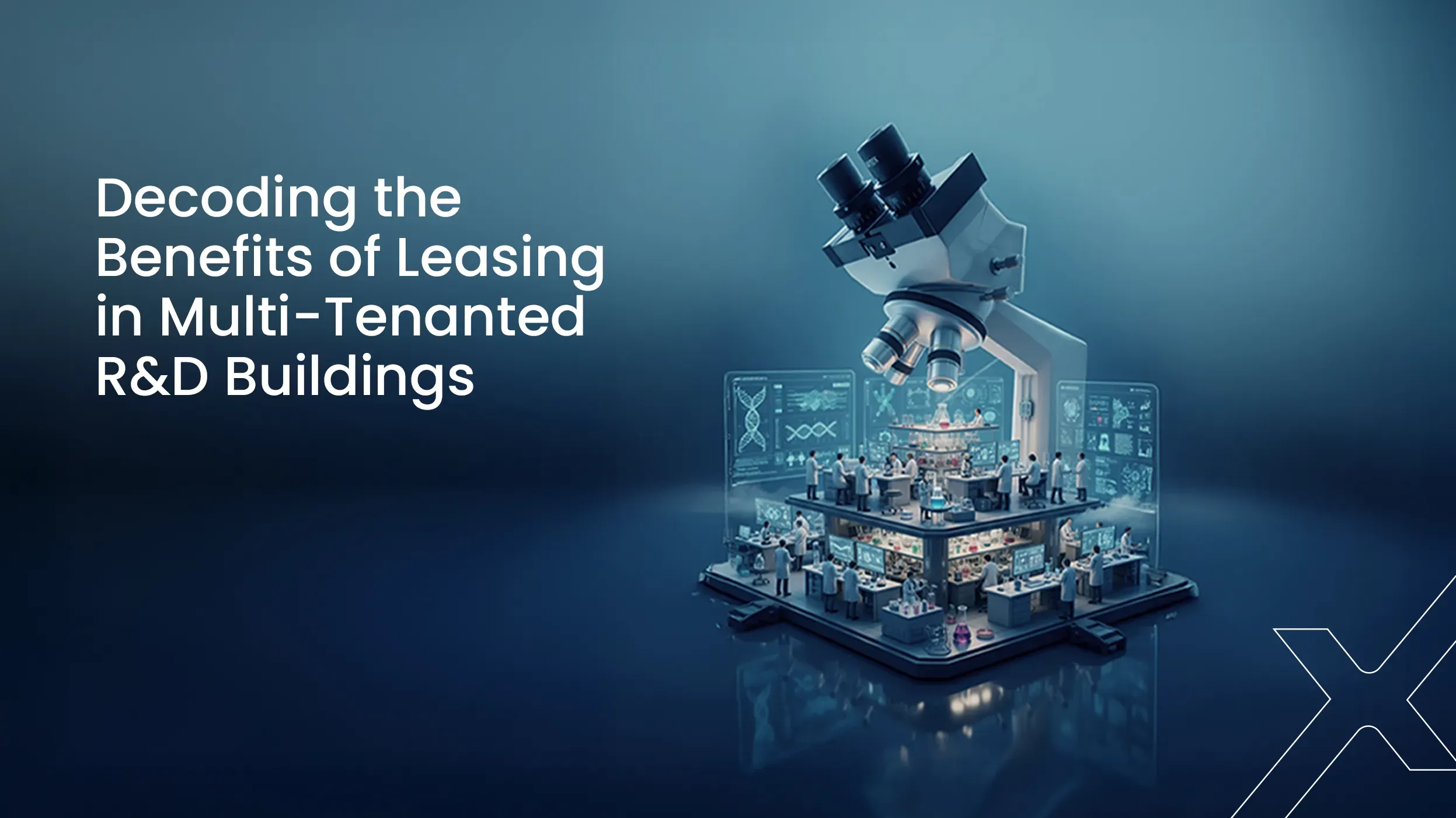
Multi-tenant R&D environments allow organizations of different sizes—from startups to established global companies—to operate within shared research infrastructure. These ecosystems enable access to specialized facilities, technical services, and proximity to talent and collaborators.
Such collaborative scientific environments are difficult to create in buildings originally designed for traditional commercial use.
Infrastructure as an Enabler of Scientific Progress
As scientific research becomes increasingly advanced, infrastructure can no longer be treated as an afterthought. The design of research facilities must anticipate the needs of complex experimentation, evolving regulatory frameworks, and rapidly scaling innovation.
Retrofitting office buildings may have served as an early solution, but the future of scientific research requires infrastructure designed specifically for science. Because ultimately, the spaces where research happens can play a critical role in how quickly discovery moves from idea to real-world impact.